Years of Growth
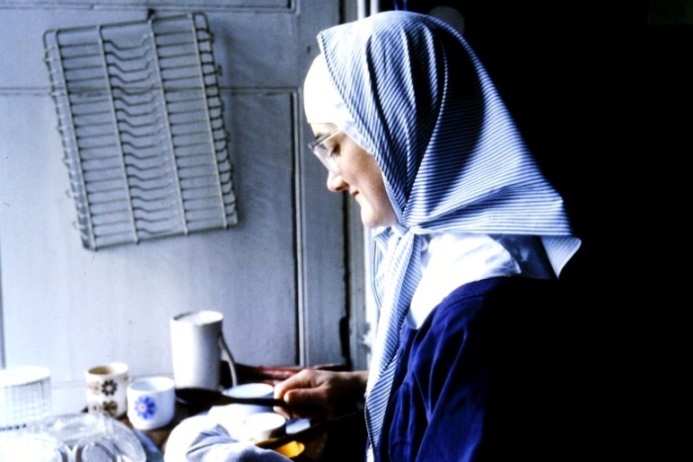
While a few of the founding Sisters eventually returned to the Mother-house in Germany, the community also received new candidates seeking to live the monastic life of prayer, work and hospitality, each bringing her own gifts and skills. The new members came from Britain as well as abroad and this ‘internationality’ has remained one of the characteristics of the Community.
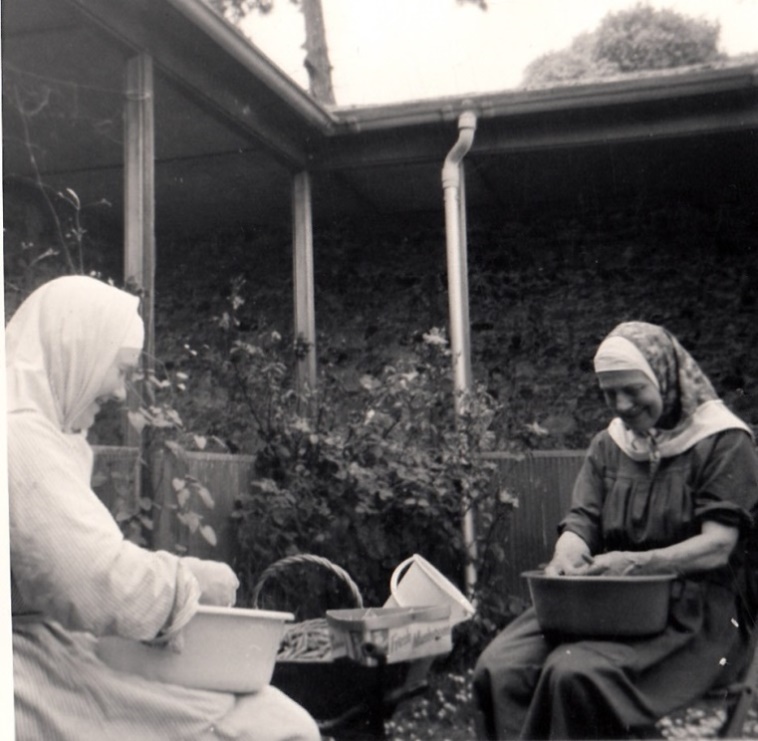
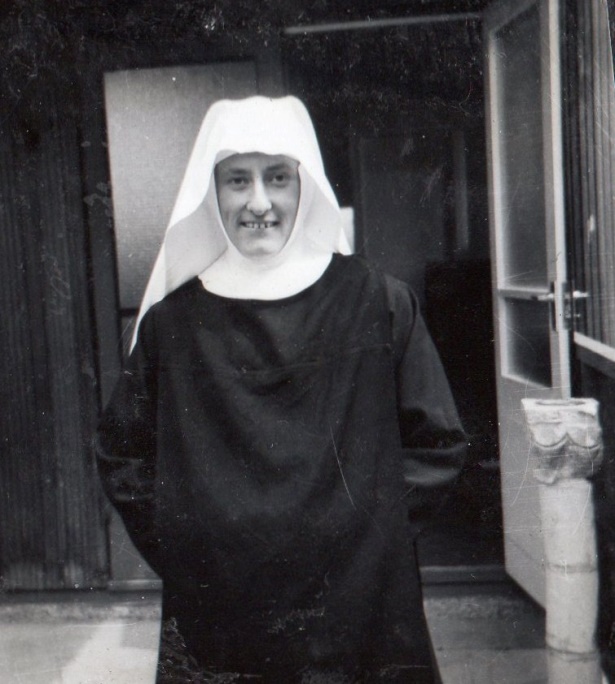
Hospitality is a key aspect of Benedictine monastic life. In the years following Vatican ll there was an increasing demand from many lay people to share in the life and prayer of the Minster community. To respond to this need in the Church, the Sisters developed their hospitality by extending the Gatehouse at the entrance of the Abbey to create further guest rooms.
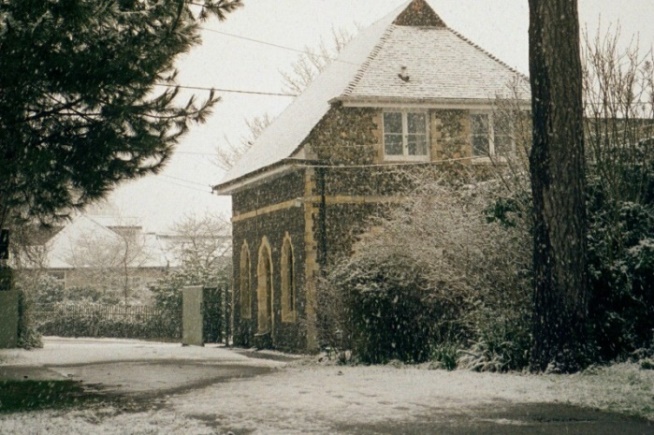
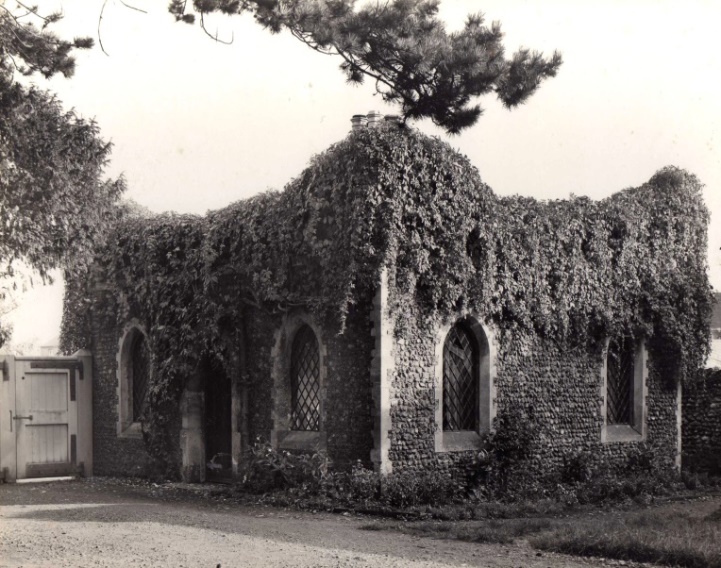
The increasing number of guests meant that a larger Chapel was required. The Sisters had until this time used a room in the house as a Chapel, which could no longer accommodate the growing number of guests and retreatants.
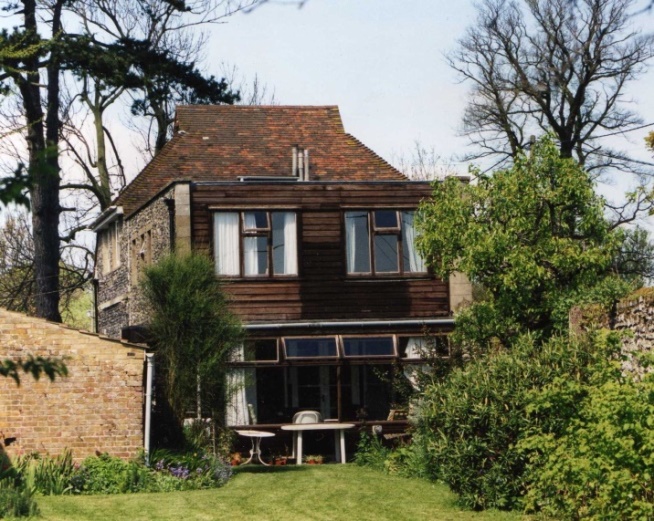
Therefore in 1962 a prefabricated Chapel was built in the Abbey garden. It was dedicated to Our Lady of Peace.
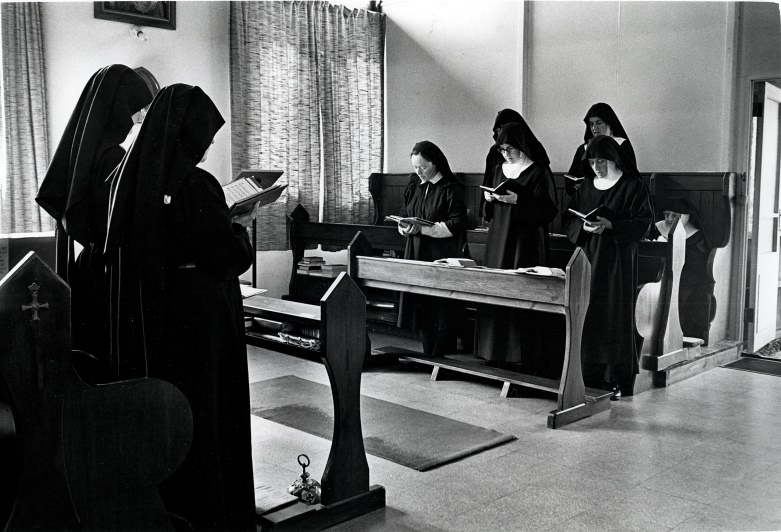
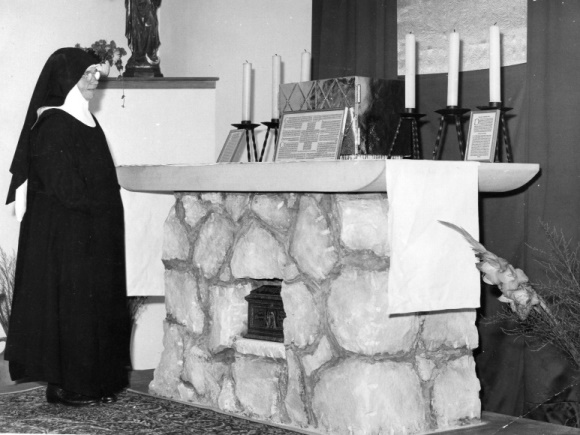
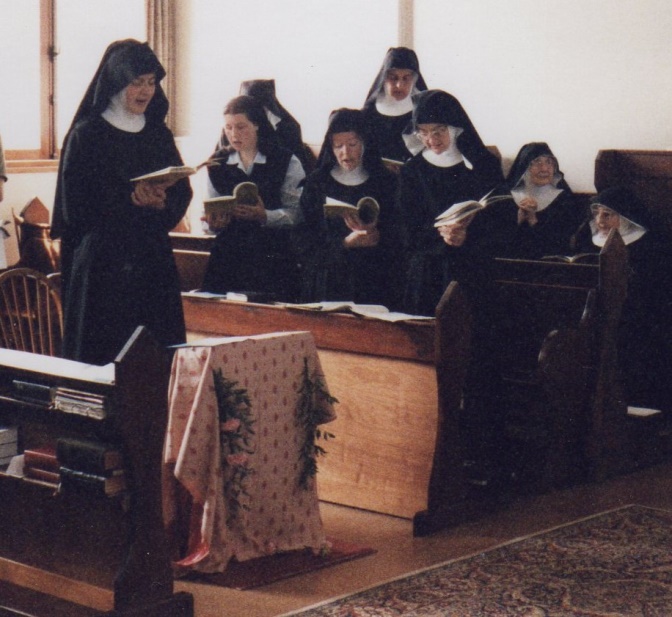
This was an important development for the life and growth of the community as they implemented the principles of the liturgical reform and the renewal of the Church. They were to worship daily in this temporary Chapel alongside their guests and the local community for over 30 years.
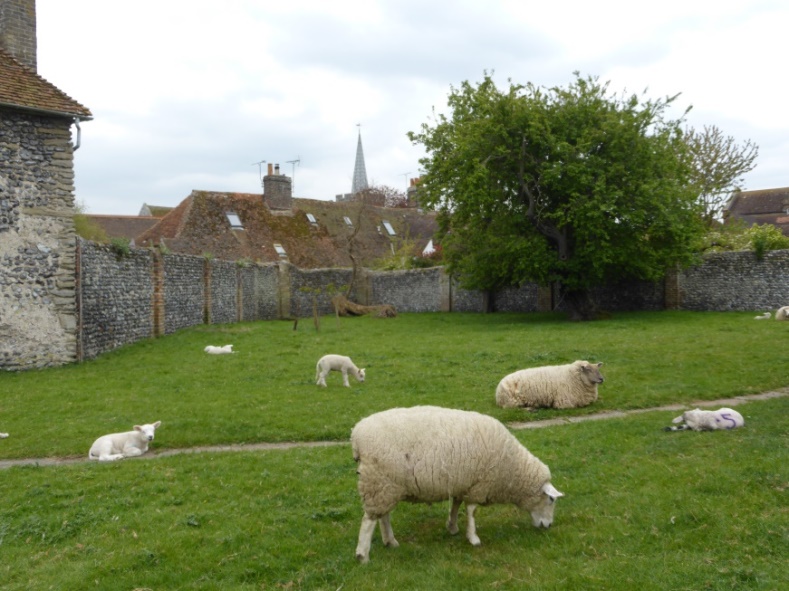
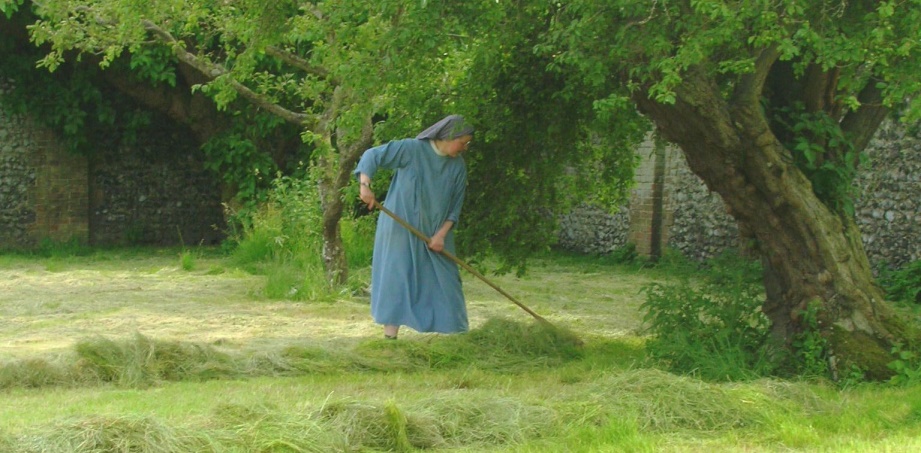
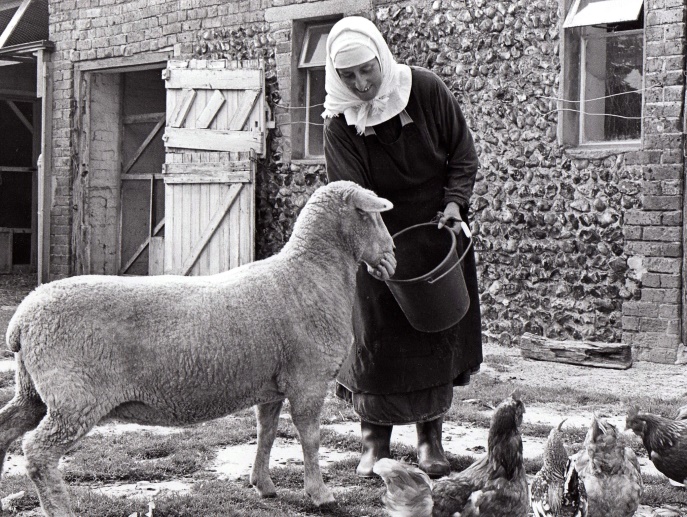
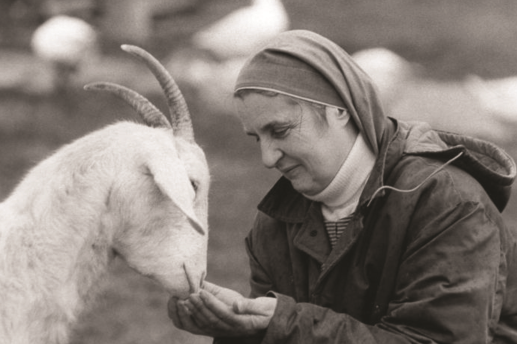
There were changes on the farm too. Regulations were changing, and as the agricultural industry developed it became more difficult to make a profit from a small scale farm. The Sisters took the decision to change from dairy farming to raising goats and keeping a flock of sheep. Land was also made available to local farmers to lease for grazing of cattle and sheep.
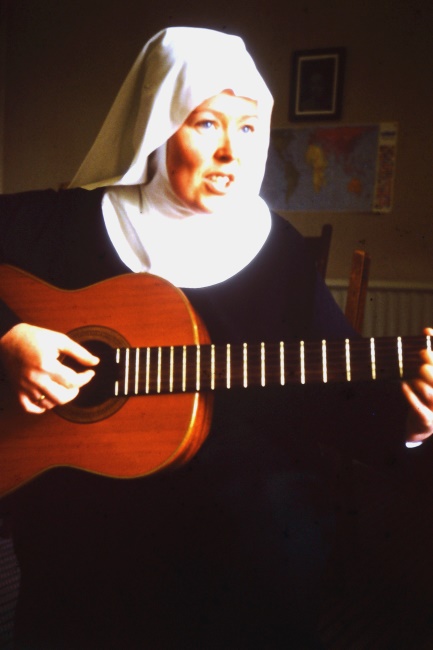
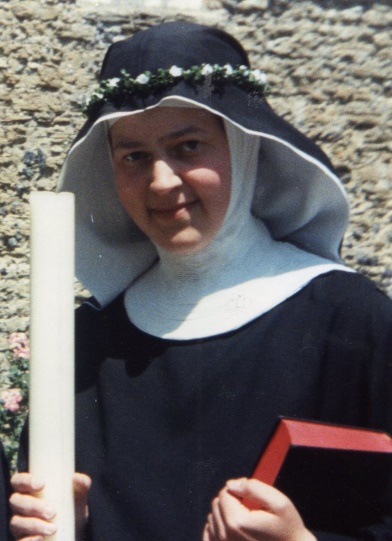
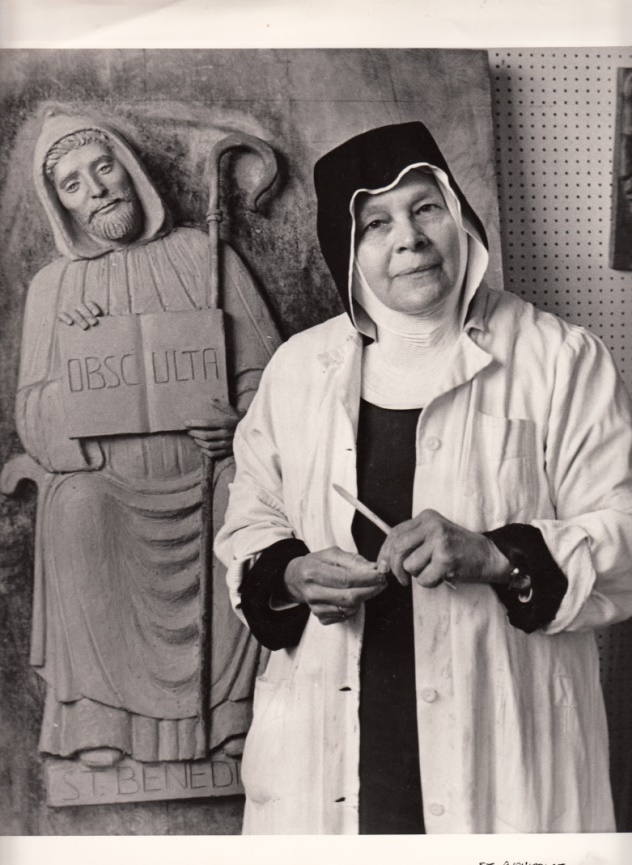
In 1984 Mother Walburga after many years of loving service retired as Prioress. The community then elected Mother Concordia Scott. Already well known in the British Isles and abroad as a sculptress, Mother Concordia continued her art work while leading the community for the next fifteen years.